



You step out of the shower, towel dry, and instead of the promised feeling of refreshment, you feel a growing discomfort. Your skin begins to itch, burn, and you immediately want to scratch. Sound familiar? Itching after washing, medically known as aquatic itch or contact itch, is a problem that affects thousands of people, turning daily hygiene into an irritating chore.
At Soap for Globe , we know that skin is our largest organ – a fascinating, multi-layered shell that communicates with us through signals like burning, dryness, or itching. It's a cry for help. In this article, we'll take a deep dive into why water and cosmetics sometimes don't work for us, and we'll suggest what you can do to regain comfort in your own body.
The most common causes of itchy skin after washing
This problem rarely stems from a single source. Typically, it's an unfortunate combination of factors that causes the skin's protective barrier to become compromised and nerve endings to become overactive. Common culprits include:
- Hard water: High mineral content leaves a microscopic residue on the skin that acts like sandpaper.
- Aggressive detergents: Strong surfactants remove not only dirt but also valuable intercellular lipids.
- Allergic reactions: Fragrance ingredients, dyes or preservatives that penetrate through leaky epidermis.
- Transepidermal Water Loss (TEWL): The phenomenon of transepidermal water loss that increases immediately after contact with water.
Anatomy of the Hydrolipid Barrier: Why Does It Itch?
To understand itch, we need to imagine the skin as a brick wall. The bricks are epidermal cells (corneocytes), and the mortar is lipids (ceramides, cholesterol, fatty acids). When the "mortar" is washed away by an overly strong shampoo or gel, water escapes from the skin's interior, and irritating substances from the outside penetrate. This process irritates pain and touch receptors, which the brain interprets as persistent itching.
The role of water and temperature in itchy skin
Water, which is supposed to cleanse us, can paradoxically be the main culprit. Hard water , rich in calcium and magnesium ions, reacts with traditional cleaning agents, creating insoluble salts . This deposit makes skin feel "dull" to the touch after washing. It blocks hair follicles and disrupts the skin's natural gas exchange, resulting in itching in sensitive individuals.
Temperature is equally important. While a hot shower after a hard day seems like the height of luxury, it's a physical shock for your skin. Hot water (above 38°C) rapidly dissolves the lipids that hold our protective barrier together. It also causes blood vessels to dilate, releasing histamine—a substance responsible for itching. Icy water, on the other hand, can cause rapid vasoconstriction, which also causes discomfort in people with vascular prone skin. The golden mean is lukewarm water , close to body temperature, which allows for the removal of impurities without damaging the lipid barrier.
The effect of cosmetics on itchy skin
When reading the ingredients of traditional shower gels or shampoos, we most often encounter SLS (Sodium Lauryl Sulfate) or SLES . These are cheap, strong detergents that produce abundant lather, but their molecules are so small and aggressive that they penetrate deep into the epidermis, causing micro-damage.
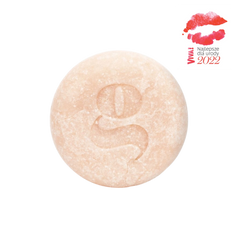
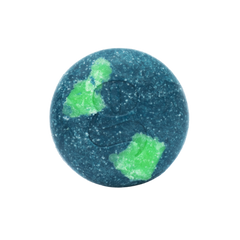
Another problem is artificial fragrances and dyes . They make cosmetics look and smell nice, but physiologically, they serve no skincare purpose—they're merely potential allergens. If your skin is itchy, it's time to detox from synthetic fragrances. Look for products with gentle cleansing agents derived from coconut (e.g., sodium coco-sulfate or sodium cocoyl isethionate ) and natural butters, which you'll find in our Soap for Globe bars. These ingredients have larger molecules that don't penetrate the epidermis as aggressively, so they only cleanse where they should—impurities, not your skin.
The importance of skin pH after washing
Our skin has an acid mantle with a pH of approximately 5.5. This acidic pH is essential for the survival of beneficial bacteria and the inhibition of pathogens. Traditional soaps, made through the saponification of fats, are alkaline (pH 8-10). Using such a product in the shower is a minor chemical disaster for the skin.
After washing with soap, the skin needs many hours to return to its natural pH. During this time, the barrier is compromised and the beneficial microbiome is decimated. This is the perfect environment for irritation to develop. That's why our bars are syndets – cleansing products with a physiological pH. Using them doesn't subject the skin to a "pH shock," making the cleansing process safe even for those with atopic dermatitis.
Simple Solutions for Itchy Skin After Washing
Make these simple changes:
- Change your drying technique: Instead of rubbing the towel vigorously, gently press it against your body to "wick" away the water.
- The 3-Minute Rule: Apply lotion or oil to damp skin, ideally within 3 minutes of getting out of the shower. This will seal in moisture.
- Choose bars over liquids: Solid shampoos and cleansing bars often have simpler ingredients and don't require as many preservatives as liquid products.
- Install a shower filter: If you live in an area with very hard water, a softening filter can be beneficial for your skin and hair.
When should you consult a dermatologist?
While changing your skincare routine helps in most cases, sometimes itching is a symptom that shouldn't be ignored. See a specialist if:
- Itching is accompanied by clear skin changes (blisters, oozing wounds, severe swelling).
- The discomfort is so great that it makes it difficult for you to fall asleep or function in your daily life.
- The itching does not go away despite changing to natural and hypoallergenic cosmetics.
- Symptoms appear suddenly and are accompanied by other systemic ailments.
Remember that itching can be a sign of systemic diseases such as atopic dermatitis (AD), psoriasis, or even thyroid or kidney problems.
At Soap for Globe, we create products designed to make washing a moment of respite, not a fight against irritation. Our bars have a skin-friendly pH and are based on ingredients that nature has given us to soothe, not irritate. Remember, your skin has incredible regenerative abilities – just stop bothering it with harsh chemicals and hot water. Rediscover the joy of your daily skincare routine and feel your skin finally "breathing" with relief.


