

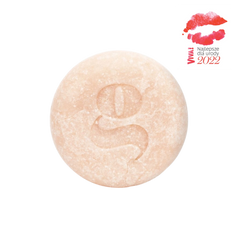
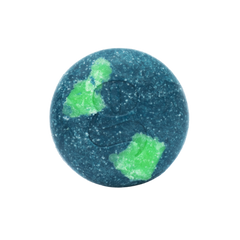


For many of us, switching to a shampoo bar is one of the first steps towards a less-waste bathroom. While this eco-friendly alternative is winning the hearts of more and more people, getting started can be challenging. One of the most common questions on hair enthusiast forums is: "Why is my hair so limp and heavy?" Although Soap for Globe products are known for their lightness and refined formulas, weight can still be a problem. Where does it come from and how can we solve it? Let's examine the facts, debunk the myths, and find the path to perfect volume.
How does a shampoo bar work?
Many people initially confuse shampoo bars with traditional hair soap. This is a key mistake that impacts the perception of this product. Soap is created through the saponification of fats and has an alkaline reaction, which causes hair cuticles to drastically open, leaving a residue on their surface.
Shampoo bars (often called syndet ) are a completely different product. Main differences and how they work:
- Composition: The base is made of gentle detergents of plant origin (e.g. SCI – Sodium Cocoyl Isethionate), which effectively cleanse, but have a pH suitable for the scalp (close to acidic).
- Concentration: Traditional liquid shampoo is 80% water. This bar is almost 100% active ingredients: oils, plant extracts, clays, and minerals. The lack of water means no need for harsh preservatives.
- Plastic-free: Eliminating water allows the product to be packaged in paper or metal cans, making the cube the most planet-friendly choice.
Reasons why shampoo bars weigh down your hair
If your hair feels greasy after washing, the cause usually lies in one of three areas: the ingredients, the technique, or the environment (water).
1. Incorrect composition and hair porosity
This is the most common cause of frizz. Shampoos in bars are enriched with natural oils and butters (e.g., cocoa butter, shea butter, castor oil, or coconut oil), which are designed to nourish hair during the wash. However, what dry, curly hair (high porosity) loves can be a curse for low porosity hair—smooth, thin, and naturally shiny. In the case of fine hair, too much butter in a bar creates an invisible but noticeable film on the hair shaft, which gentle detergents cannot remove in a short wash. The result? Hair becomes over-fertilized and loses bounce from the roots.
2. Hard water – the silent enemy of volume
Hard water is a nightmare for most Polish homes. The calcium and magnesium ions it contains react with cosmetic ingredients. Although syndets cope with hard water much better than soaps, very high water hardness levels can cause minerals to build up on the hair's structure. This creates a dull layer, making hair rough and heavy, and accumulating dust and sebum from the surrounding environment more easily.
3. Incomplete rinsing of the product
Due to its form, shampoo bars are incredibly efficient. We often apply too much, thinking that since they "lather poorly" (a characteristic of mild detergents), we need more. Concentrated cleansing and conditioning substances settle between strands and, unless thoroughly rinsed off with a generous stream of water, they will leave a stale, stale appearance after drying.
How to avoid weighing down your hair?
The correct washing technique can work wonders and make even a “difficult” cube cooperate.
- The Cup Method: This is the golden rule of less waste hair care. Never rub the bar directly onto your hair (this can cause mechanical damage and over-application). Instead, tear off a piece of the bar or rub it between your hands until a thick lather forms. It's best to use a small container of water, briefly drop the bar in, and shake vigorously. Apply the resulting, fluffy lather only to your scalp. This is the area you want to cleanse—the length of your hair will wash itself during rinsing.
- The two-wash rule: If your hair tends to weigh down, always wash it twice. The first wash removes superficial dirt and excess styling products. The second wash reaches the scalp and allows active ingredients (e.g., clays or herbal extracts) to work.
- Rinse thoroughly: Rinsing should take twice as long as washing. Use lukewarm water and make sure you reach the strands underneath, at the nape of the neck—this is where product residue is most likely to remain.
- Moderation in conditioning: If you're using a shampoo with a high oil content, apply conditioner only from the ears down. Applying it to the roots while using a nourishing shampoo is a surefire recipe for a "sticky" hairstyle.
How can you tell if a shampoo bar is not good for your hair?
- Hair becomes greasy quickly (you feel discomfort just a few hours after washing).
- A feeling of "stickiness" in the strands that does not disappear after drying.
- A distinct lack of volume and "sad", limp strands, even though they were fluffy before.
- Itchy scalp – this may mean that a given oil in the composition (e.g. coconut) is clogging the openings of the hair follicles.
It's worth staying calm and giving yourself time. If you've been using drugstore shampoos with silicones, your hair is "coated" with a smoothing layer. Shampoo bars will slowly begin to wash away this layer, revealing the hair's true condition, which may initially manifest as frizz or a temporary dullness. This adaptation period usually lasts 2 to 4 weeks.
However, if after a month your hair still feels heavy, it's time for a change. For hair prone to weight, Soap for Globe bars with clays (e.g., green or white) that absorb sebum are ideal, or those with activated charcoal , which detoxifies and lifts hair at the root.
Reactions to shampoo bars are always individual. They depend on your hair type, the hardness of your tap water, and the products you use after shampooing. Don't give up after your first try—finding the perfect bar is a process that will reward you with the healthiest hair you've ever had!


