

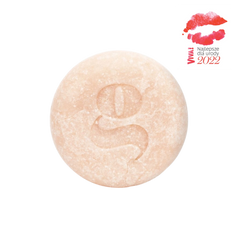



Standing in front of a drugstore shelf or browsing your favorite brand's website, and feeling like the labels are a mystery to you? Don't worry – at Soap for Globe, we believe that transparency is key, and knowing what you're putting on your scalp shouldn't be reserved for chemists alone. Understanding ingredients is the first step to healthy, shiny hair and consciously caring for our planet.
Why is it important to know shampoo ingredients?
Your scalp is one of the most absorbent areas on your body. It has a dense network of blood vessels and numerous hair follicles, allowing ingredients in cosmetics to penetrate deeper than we think. Each ingredient in shampoo has a specific purpose: some cleanse, others condition, and still others ensure the product's durability and consistency.
Conscious choice allows you to:
- Avoiding irritation: If you have sensitive skin, you will learn to identify substances that cause itching, redness, or flaking.
- Taking care of your hair: By choosing ingredients that suit your hair's porosity (low, medium or high), you prevent frizz, breakage or excessive weight.
- Protect the environment: By choosing biodegradable ingredients, you reduce the negative impact on aquatic ecosystems. Remember, what you rinse down the bathtub eventually ends up in the natural water cycle.
INCI Reading Basics
INCI ( International Nomenclature of Cosmetic Ingredients ) is an international naming system for cosmetic ingredients. Although the names sound Latin or English, they follow a simple rule: order .
1. The Principle of Quantity (The Key 5 Places)
Ingredients are listed in order from highest concentration to lowest. The first five ingredients typically make up about 80-90% of the product's volume . If you're looking for a moisturizing shampoo and aloe or glycerin are at the bottom of the list, their real impact on hair will be negligible.
2. The 1% Limit (Magic Threshold)
Ingredients that make up less than 1% of a product's total may be listed last in any order. These often include dyes, fragrances, preservatives, or very potent plant extracts. Don't be intimidated by their low ranking—some substances, such as essential oils, are very potent even in minimal doses.
3. Water vs. Cube
If you see Aqua (water) at the beginning, the product is diluted. In traditional shampoos, water is the cheapest filler. However, if you analyze a shampoo bar, you'll see Sodium Coco-Sulfate (a gentle detergent made from coconut) or other butters and clays at the top. This means you're paying for pure active ingredients, not tap water.
The Most Common Ingredients in Shampoo and Their Functions
Sulfates (Surfactants)
These are substances responsible for removing dirt and creating foam.
- Strong (Anionic): Sodium Lauryl Sulfate (SLS), Sodium Laureth Sulfate (SLES). These produce spectacular lather, but in many people they disrupt the hydrolipid barrier, leading to dryness and itching.
-
Mild: Sodium Coco-Sulfate (SCS), Decyl Glucoside , Coco-Glucoside , Sodium Cocoyl Isethionate (SCI). This is the foundation of Soap for Globe shampoos. They cleanse effectively, are biodegradable, and much gentler on the skin.
Silicones
You'll recognize them by the endings -cone, -conol , or -xane (e.g., Dimethicone, Cyclopentasiloxane ). They create a film on the hair that smooths the cuticles and adds instant shine.
-
Good to know: Silicones don't repair hair—they merely mask damage. Overusing products with silicones can cause them to build up on the hair shaft, making it heavy and dull. Shampoo bars are usually silicone-free, allowing hair to breathe.
Humectants
Moisturizing substances that attract moisture from the environment into the hair.
- Glycerin (glycerine), Aloe Barbadensis Leaf Juice (aloe), Panthenol (provitamin B5), Urea (urea), Sodium Hyaluronate (hyaluronic acid).
-
Note: In very dry or very humid environments, humectants can cause frizz, so they should always be used with emollients.
Emollients
Vegetable oils and butters. Their function is to seal in moisture within the hair and protect it from external factors.
- Butyrospermum Parkii Butter (shea butter), Cocos Nucifera Oil (coconut oil), Argania Spinosa Kernel Oil (argan oil), Simmondsia Chinensis Seed Oil (jojoba oil).
The belief that any alcohol in an ingredient is drying is one of the biggest cosmetic myths. In reality, they are divided into two extremely different groups:
- Drying alcohols (Short-chain alcohols): Alcohol Denat. Isopropyl Alcohol, Ethanol . These appear in styling products or lotions to facilitate the penetration of ingredients. Used excessively in shampoos, they can actually cause irritation.
- Fatty alcohols: Cetyl Alcohol, Cetearyl Alcohol, Stearyl Alcohol . These are your allies! They have a waxy or buttery consistency, act as emollients, smooth hair, facilitate combing, and help maintain the proper consistency of the bar. They are safe and highly desirable.
How to check if shampoo is good for your hair?
Personalization is the key to success. Don't look for "the best shampoo in the world," look for "the best shampoo for you."
Thin, low porosity and oily hair
Look for shampoos that contain clays ( Kaolin, Illite, Montmorillonite ). Clays act like microscopic sponges, absorbing excess sebum. Avoid heavy oils (e.g., shea butter) at the top of the ingredient list. Herbal extracts are your friend: nettle ( Urtica Dioica ), rosemary ( Rosmarinus Officinalis ), and sage.
Dry, damaged and highly porous hair
Proteins are your ally, as they "patch" up any gaps in the hair structure. Look for names like Hydrolyzed Wheat Protein , Hydrolyzed Silk , or Keratin . After washing, you need rich emollients (argan oil, avocado oil) to lock in the proteins.
Sensitive and itchy scalp
The rule is simple: short ingredients = lower risk . The fewer ingredients, the easier it is to eliminate a potential allergen. Look for shampoos without artificial colors ( CI + number) and with mild surfactants. The presence of allantoin or bisabolol will additionally soothe irritation.
Avoiding unwanted ingredients
Although most of the ingredients approved for marketing are safe, some may be controversial with long-term use:
- Formaldehyde donors: Ingredients such as DMDM Hydantoin or Quaternium-15 may release trace amounts of formaldehyde, which can cause severe allergic reactions in sensitive individuals.
- MYTH/MCIT: Methylisothiazolinone – a strong preservative that often causes contact dermatitis.
- Fragrance allergens: Limonene, Linalool, Citral, Geraniol . You'll find them at the end of almost every natural cosmetic. These are natural components of essential oils. Although they smell beautiful, people with atopic dermatitis or highly reactive skin should choose fragrance-free products.
Practical tips on choosing a shampoo wisely
To summarize your new knowledge, remember these steps when shopping:
- Look at the beginning: Focus on the first 5-7 ingredients.
- Look for natural extracts: Plant-based ingredients often have Latin names ending in Extract or Oil .
- Don't be afraid of alcohol: Not all alcohols are drying! Isopropyl alcohol is drying, but fatty alcohols, like Cetyl Alcohol and Cetearyl Alcohol , are great emollients that soften hair.
- Less is more: A short INCI list is usually a sign that the product is well-thought-out and does not contain unnecessary fillers.
Conscious skincare isn't just about appearance, but also about health and ecology. When you choose Soap for Globe products, you can be sure that we've done the ingredient analysis for you—emphasizing nature and effectiveness.


